
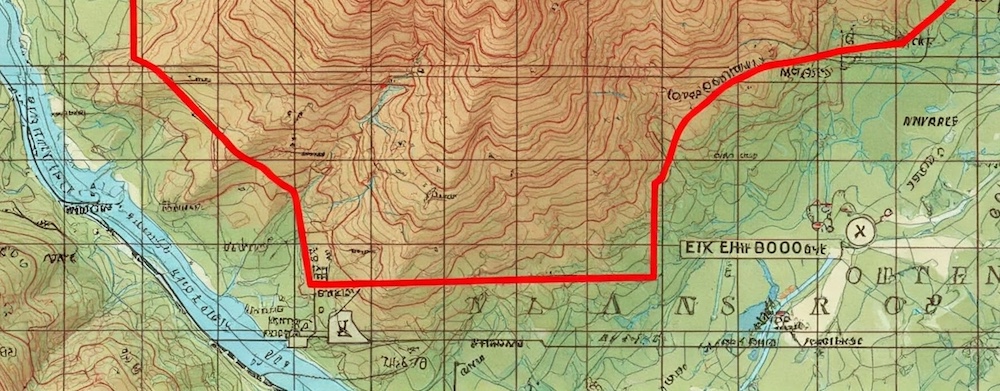
NERIS captures a fuller picture of incidents by capturing additional fields of data, additional modules, and also using newer technologies like GIS mapping.
(NFIRS was created as paper forms, which moved to digital forms, but given the technology of the era it proved awkward to adapt to changing/growing needs, and became stuck in the past. NERIS is designed to be extensible, supporting changes over time, but also starting with today’s known needs.)
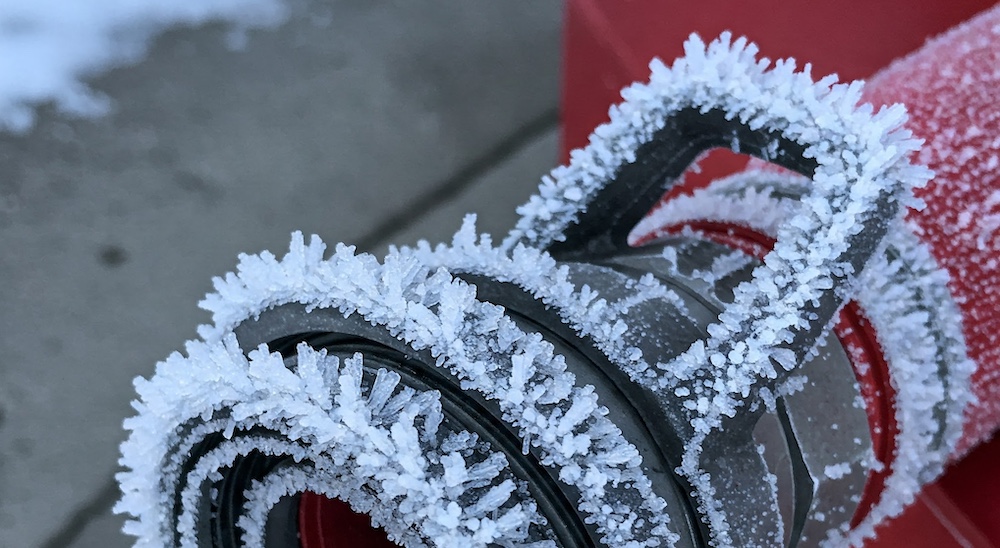
Fighting a structure fire in sub-zero temperatures is an herculean task, especially when combined with strong winds pushing that cold into every crevice. Cold firefighters working in frozen gloves and frozen gear, frozen appliances & hoses and even apparatus, sheets of ice across the fire ground, the list of challenges go on. Many scenes have challenges beyond the normal, impacting the already significant challenges of firefighting. These are impediments to firefighting.
NERIS captures an impediment narrative, which NFIRS did not, and an impediment narrative can be used to detail difficult conditions, lack of resources, equipment failures, and more. Being a narrative and not a drop down of choices, firefighters can detail any and all problems and NERIS can learn more about real world scenarios.
NERIS also captures some special modifiers (e.g. violence against responders, urban conflagration) which were not captured in NFIRS, but are factors in modern firefighting.
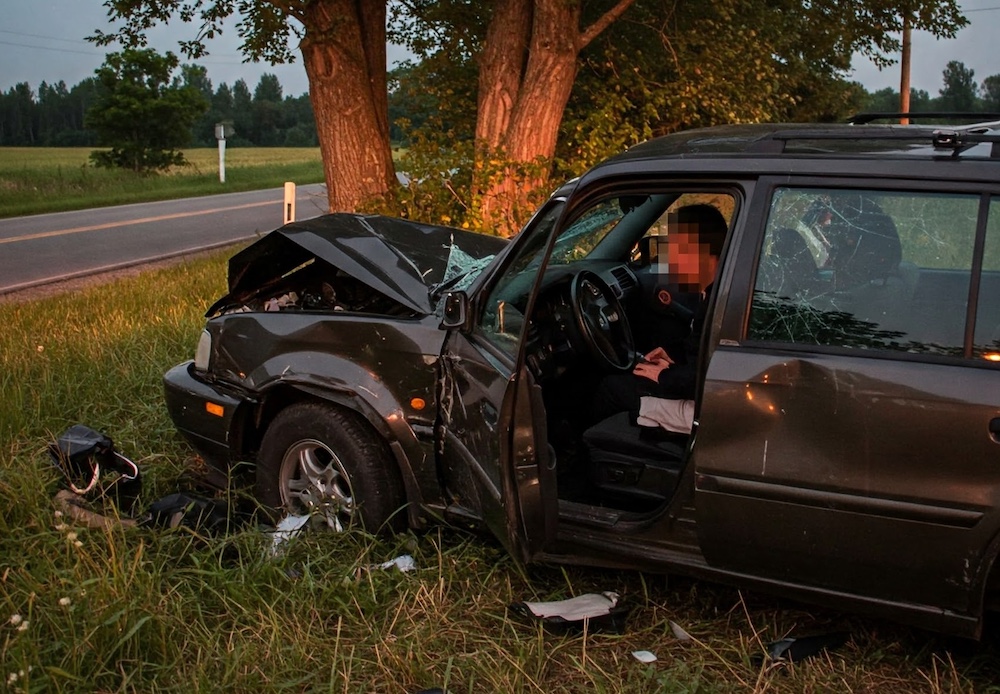
Furthermore, NERIS strenuously avoids capturing personally identifiable information (PII) and so explicitly captures additional fields of anonymized data to replace it. Think “numbers not names”, like pixelating faces in a photo.
Here are some of the new fields that NERIS captures, and why.
| Field | Module | Objective |
|---|---|---|
| People Present | Core Incident | Were people involved in the incident? No names, no ages, no PII but were people involved? Not so for a lightning strike fire, but yes for an escaped campfire (but only if they were on scene during the incident.) |
| Number Displaced | Core Incident | Number of people / businesses displaced. No PII, just numbers. |
| Cause of Displacement | Core Incident | Anything from smoke to fire to water, to lack of utilities and more can cause displacement. Gathering displacement impacts and causes allow |
| Animal Rescues | Core Incident | How many animals were rescued? |
| Impediments Narrative | Core Incident | Many factors impact fire response, from insufficient personnel to inadequate apparatus to more. For example: sub-zero freezing temperatures significantly impede firefighters, as hoses and appliances freeze and apparatus needs to be rehabbed. NERIS captures details of these issues, to build an awareness (prior to working on solutions.) |
| Special Modifiers | Core Incident | Violence against responder and urban conflagrations are growing threats, and recording them in NERIS allows significant context into incidents being unusual. |
| Incident Polygon | Core Incident | Being able to map the fire/incident boundary, using Geographic Information System (GIS) allows both a visual representation of the extent of the incident, plus detailed size & distance data for the record. |
Not just new fields, but also new modules (collections of fields.) Here are some of the new modules that NERIS captures.
In addition to this these new fields, NERIS also captures more tactical timestamp information such as when command was establish, and size-up completed, and key milestones in the evolution of the fire. This is an additional focus on emerging hazards such as electrical equipment in storage, generation, charging and general operation, and even an investigation into corrugated stainless steel tubing (CSST) incidents as a potential emerging hazard.
Do you still have NERIS questions? See much more within the NERIS specification.
Sign up to hear more from Responserack on Volunteer Fire Departments, USFA NERIS and USFA NFIRS.
Responserack provides services for volunteer fire departments; member information services, incident reporting, NFIRS and so much more.