
Time factors such as the benefits of quick response, and the impacts of delayed arrival and/or delayed operations, are established by comparing operational times to outcomes, including losses.
NERIS is directly addressing the time factor of fires & fire operations by collecting timestamps (that NFIRS did not), specifically tactical timestamps, the precise time when an operation occur, from the fire ground; water on fire, fire knocked down, etc.
Behind these times there are numerous contributing factors, many of which are gathered elsewhere in NERIS, however the times represent the real-world impact of those contributing factors. Capturing these times allow insights into what is working and not working. These times are indicators.
NFIRS collected a lot of data about the fire and scene/structure and NERIS is going further by including information about the response, with tactical timestamps capturing some of the key points of the suppression timeline.
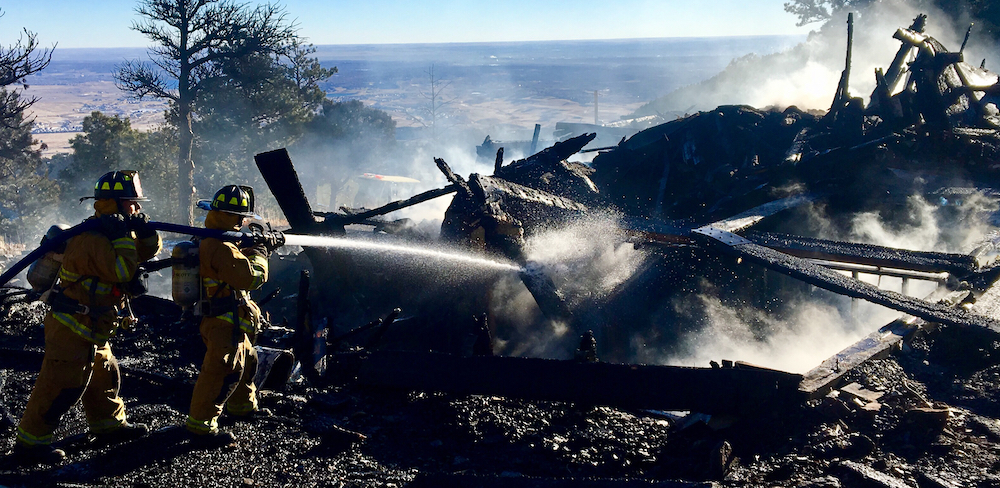
Timestamping operations; 360º complete, water on fire, overhaul complete and more …
These timestamps, as recorded by dispatch in the computer aided dispatch system (CAD) or the fire department in their records management system (RMS) capture the time of these key events of the fire response.
| Timestamp | Definition |
|---|---|
| Command Established | When was incident command structure (ICS) command established. |
| 360º Complete | When the 360-degree walk-around of the fire scene was completed. |
| Primary Search Began | (If a search was undertaken, when it started.) |
| Primary Search Complete | (If a search was undertaken, when it was completed.) |
| Water on Fire | When water was first applied to the seat of the fire. |
| Fire Knocked Down | When the main body of the fire was suppressed. |
| Fire Under Control | When the fire is no longer a threat to the building and the operation transitioned from fire control to overhaul operations. |
| Fire Suppression Complete | When the fire was successfully extinguished, and all operations are completed. |
These key events are typically communicated from interior crews to operations and command over the air, or face to face.
Much as these timestamps (in the table above) provide only eight individual pieces of information, they combine with each other and incident times, to allow insights into the big picture of the fire.
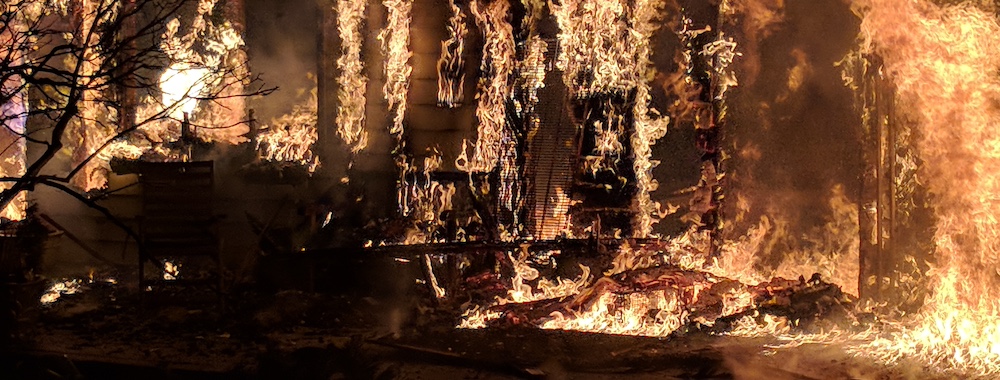
Timestamping operations during the structure fire helps paint a big picture…
Times are only one view into fire operations, but combined with the other NERIS data can provide beneficial insights for the fire community.
( NOTE: Responserack offers a volunteer fire department solution for capturing timestamps on scene.)
Sign up to hear more from Responserack on Volunteer Fire Departments, USFA NERIS and USFA NFIRS.
Responserack provides services for volunteer fire departments; member information services, incident reporting, NFIRS and so much more.