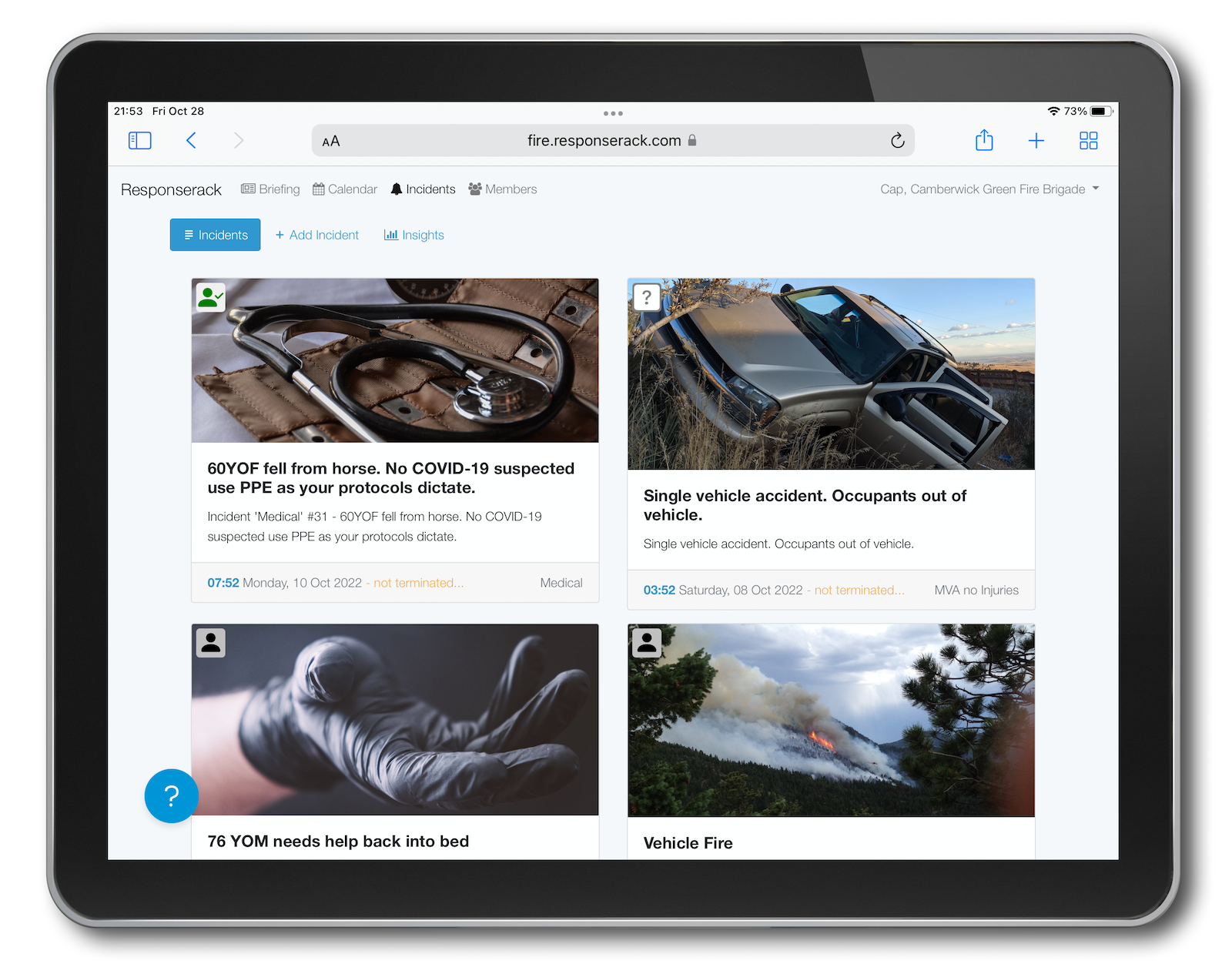
For volunteer fire departments, getting the call is the critical first step. Unlike career departments with staff waiting at the station, volunteers are spread throughout the community—at home, at work, or on the go. Effective dispatch isn’t just about sending an alert; it’s about reliably getting the right information to the right people, as quickly as possible.
This post provides a high-level overview of the different dispatch mechanisms available, from traditional hardware to modern mobile solutions, helping you understand the options so you can choose what’s best for your department.
For decades, the backbone of volunteer dispatch has been radio-frequency communication. A “tone out” from a dispatch center activates pagers and radios, delivering the alert.
While pagers and radios remain a vital part of the system for many, technology has opened up new, more convenient additional avenues for communication.
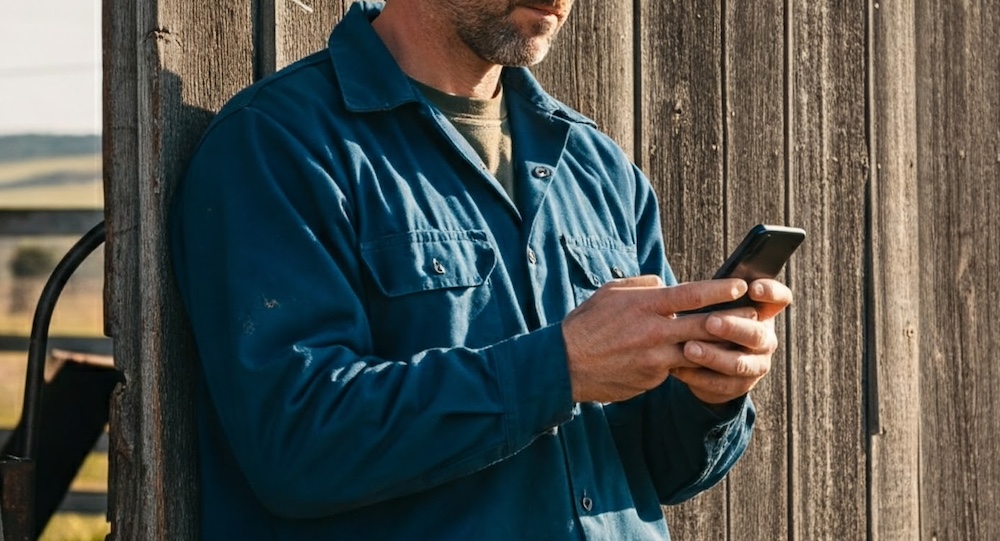
Mobile phones offer a convenient and powerful dispatch tool for today’s volunteers.
Nearly every volunteer carries a smartphone, or mobile phone. Leveraging this existing technology is a cost-effective and convenient way to supplement traditional dispatch methods. Modern solutions can provide not just an alert, but maps, incident details, and a way to coordinate response.
Here are the most common mobile dispatch mechanisms:
These are purpose-built applications designed specifically for emergency response. They integrate with Computer-Aided Dispatch (CAD) systems to provide rich, real-time information.
A simple text message can be a surprisingly effective dispatch tool. It’s a universal technology that reaches every mobile phone, smart or not. Many firefighters are primary texters, and so this fits what they know. Texting is a great solution for many firefighters.
Many CAD systems can send an email notification upon dispatch. This is often the easiest and cheapest digital method to set up.
While not primarily alerting tools, apps like GroupMe and Slack are excellent for both secondary notification and response coordination. A dispatch bot can post call details into a dedicated channel, triggering a notification and creating a space for members to state “I’m in.”
The best solution is rarely a single solution. Most departments find success with a layered approach:
By understanding the pros and cons of each mechanism, you can build a dispatch system that is reliable, affordable, and meets the needs of your volunteer firefighters where they are.
Responserack integrates many of these concepts into a single, cohesive platform, simplifying dispatch notifications and incident reporting. It can auto-populate a GroupMe post from a CAD dispatch and provides a mobile app to keep your members connected and informed.
Sign up to hear more from Responserack on Volunteer Fire Departments, USFA NERIS and USFA NFIRS.
Responserack provides services for volunteer fire departments; member information services, incident reporting, NFIRS and so much more.