Now is the perfect time for an end of year after action review (AAR), to look back at what has worked well last year, and plan what can be improved for the year ahead.
Take this quick questionnaire (anonymously if you like) to get a sense of where things stand:
Here is my list of ideas, please let me know if you have other ideas or topics to add, or alternative approaches:
Plan your department improvements now before the year, like you’d chain up the trucks before the storm …
Get up to date on NFIRS, and you’ll know what you need for the year ahead. Start with #NERIS-ready.
These articles focus on interesting aspects of NERIS (compared to NFIRS):
… and here is the general information on NERIS and the specification:
That said, per the NERIS team, you really want to get #NERIS-ready.
Take some paper pushing load off your operational leaders.
Although I know that opinions vary on this topic, my experience has been that departments with an administrator just do better. Chiefs and officers are great at operations, and not always at paper pushing. Here is an article on recruiting a (volunteer) administrator from your fire family and/or community:
The NFIRS system is being decommissioned at the end of this month (January 2026). This is the final opportunity to both file any outstanding incident reports for 2025 and prior years, and to export your department’s historical data for compliance and records retention.
Completing these tasks now is critical for future grant eligibility which often requires three years of filed data.
For a detailed guide on how to complete your final filing and export your data before the system shuts down permanently, please see our dedicated posts:
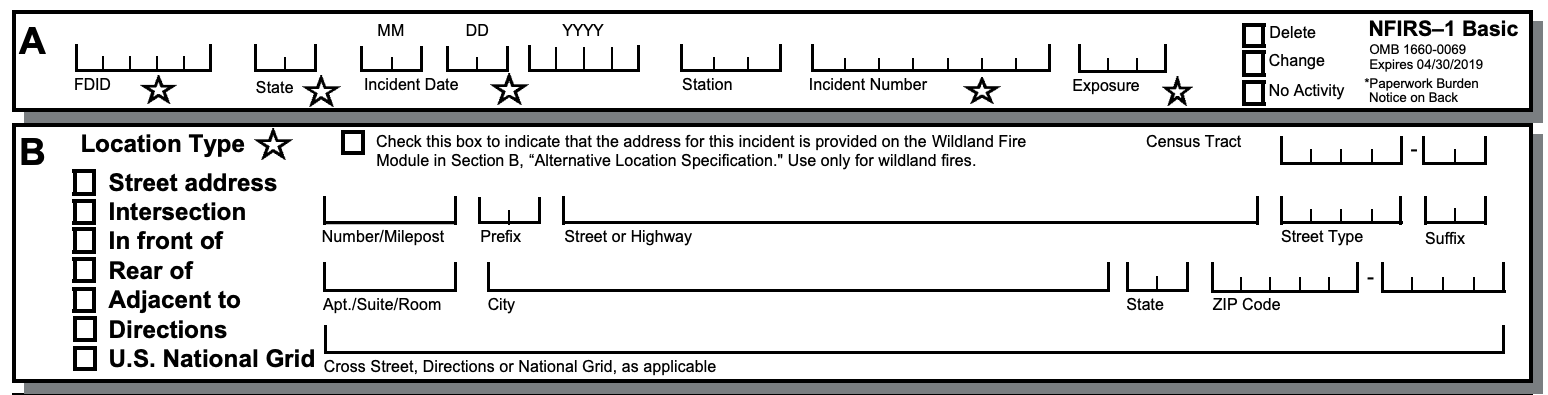
After 50+ years, NFIRS is shutting down. It was time, but get in there before it closes.
Your department’s ISO rating (or Public Protection Classification - PPC) can have a real impact on the insurance premiums for homeowners and businesses in your community. Improving your ISO rating can be a multi-year effort, but it’s a tangible way to show value to your district.
Focus on key areas that affect your score:
All volunteer fire department’s need to do recruiting, which is why the National Volunteer Fire Council (NVFC) created Make Me A Firefighter to help us. That said, you need to do you own local promotion (ok ‘marketing’) too, in your communities.
Here are some articles on volunteer firefighter recruitment (with retention part of it), and this is a popular article on recruiting only once a year, not all year. We find annual recruiting works for us.
If you like your firefighters and want to keep them, you need to actively work on retention. These articles on volunteer firefighter retention (with recruitment part of it) help you with some free and low cost ideas. This is a popular article on annual awards.
Annual Awards
Time and tide wait for no firefighter, and we need to mentor our next generation of officers and senior firefighters.
One approach is to have an “XYZ Officer” and also an “XYZ Coordinator” who is shadowing the role, helping doing some of the grunt work, and generally getting ready to take over. Include your coordinators in your officers meetings, and let them know they are valued. They will become your department’s future.
Doing an after action review (AAR) is the bare minimum for continuous quality improvement (CQI).
Have your officers review your reports and provide one on one feedback when needed, and group praise when deserving.
Consider adding training where you review past incidents, and mock out redoing them, perhaps even better. Review patient care reports and other fire reports to get the group thinking about the incident before the heat of the moment. Calm heads figuring out approaches.
Plan your training a year in advance (or as early as you can) to allow busy firefighters to balance their work, family and fire department lives. Some folks need a lot more time to adjust shifts or reorganize work to make important trainings. Prepare the training calendar early, and get feedback from your firefighters.
Training, and CQI, are critical to a fire department getting better each year.
This article focuses on #do-it-yourself member communications and it is part of a series on ‘#do-it-yourself’ where, with some technical elbow grease, you can make things happen for your department. Check out the #do-it-yourself Series, and contact me if you’d to learn more, or just chat.
You want you team talking about the weather (and what it means for getting gear ready), about the traffic (and which vehicles they cut up recently in extrication training), and about their service. You want them communicating with each other as and when they need and want.
Help your firefighters communicate with more than noticeboards. (Notice board photograph - by AbsolutVision)
Back in the day we used to wear our filthy dirty structure gear back to the station, in the cabs, and throw them back on the racks until they were “dirty enough” to wash. These days we have wipes on scene to remove dirt that penetrated though our bunker gear to sensitive skin areas, a change of gear so we can bag dirty bunks (straight to being washed) on scene, and we keep cabs clean.
Carcinogens are pervasive in firefighting, and we know so much more about them, so taking every step to mitigate the risk of cancer is key.
Start by understanding your current score and identify the lowest-hanging fruit for improvement.
Take this anonymously if you need, it only takes minutes. Fire chiefs say good things about it …
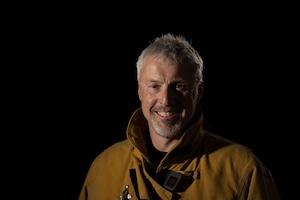 Adam Jack, Responserack
Responserack provides incident reporting for NFIRS (and NERIS) and other useful capabilities to help you help your fire department thrive. Contact me if you’d to learn more, or discuss your VFDs requirements.
Sign up to hear more from Responserack on Volunteer Fire Departments, USFA NERIS and USFA NFIRS.
Responserack provides services for volunteer fire departments; member information services, incident reporting, NFIRS and so much more.