
NFIRS supports one incident type per incident report, the “as found” incident type (not the “as toned”.)
NERIS provides a richer approach for reporting incident types, because incidents aren’t always as simple as one incident type. A motor vehicle accident might also include a hazardous materials spill, or even a power line down if a power pole was impinged, and possibly more. The dispatched incident type and multiple final incident types capture more details.
Whereas NFIRS lost data by only capturing “as found” incident type, NERIS captures “as dispatched” and “as found”.
If toned to a ‘kidney pain’ medical incident type, but arrive at a ‘chimney fire’ incident type (where the homeowner had been to out of breath to be understood) … it’d be coded as a ‘chimney fire’ in NFIRS.
If toned to a ‘kidney pain’ medical incident type, but arrive at a ‘chimney fire’ incident type (where the homeowner had been to out of breath to be understood) … it’d be coded as dispatched to a ‘kidney pain’, and then ‘finally’ a ‘chimney fire’ in NERIS.
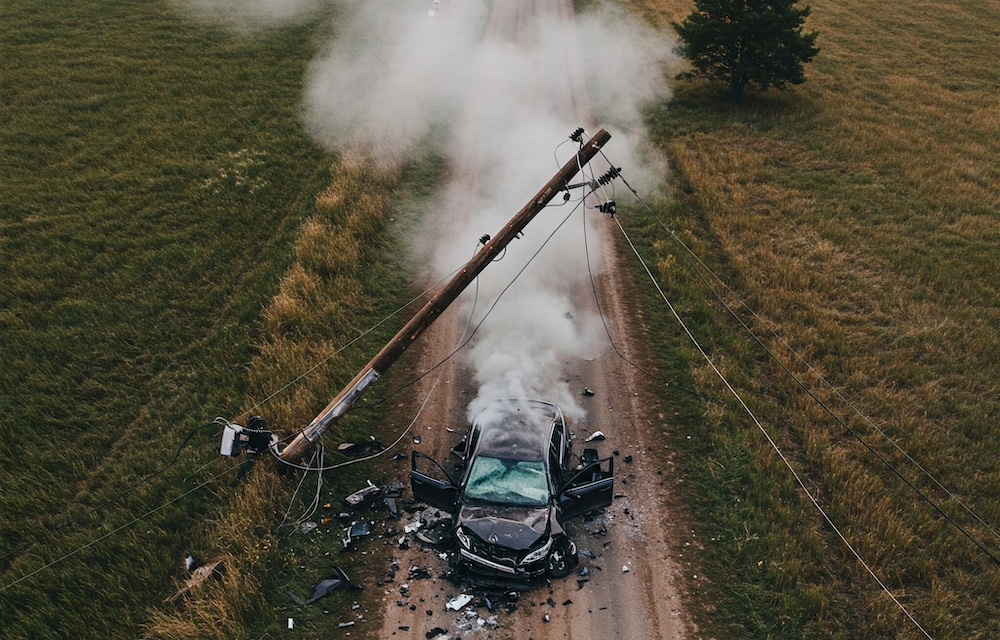
Multiple Incident Types. Dispatched as a smoke report, but upon arrival …
You can report being dispatched to a smoke report yet arrive at a vehicle fire, with a compromised/downed power pole, that also required patient extrication. You no longer have to coerce the incident into only one final incident type, you can report much more.
A firefighter recently joked that NFIRS (National Fire Incident Reporting System) stood for “not functional in real situations”, and by this I presume they meant it couldn’t represent the complexity of what was found on the scene. NERIS is working to better represent this complexity, and more.
See the NERIS specification for more information on the NERIS incident types.
Sign up to hear more from Responserack on Volunteer Fire Departments, USFA NERIS and USFA NFIRS.
Responserack provides services for volunteer fire departments; member information services, incident reporting, NFIRS and so much more.